- Email: info@tripsforkidsdenver.org
- Phone: +1 (303) 555 0199
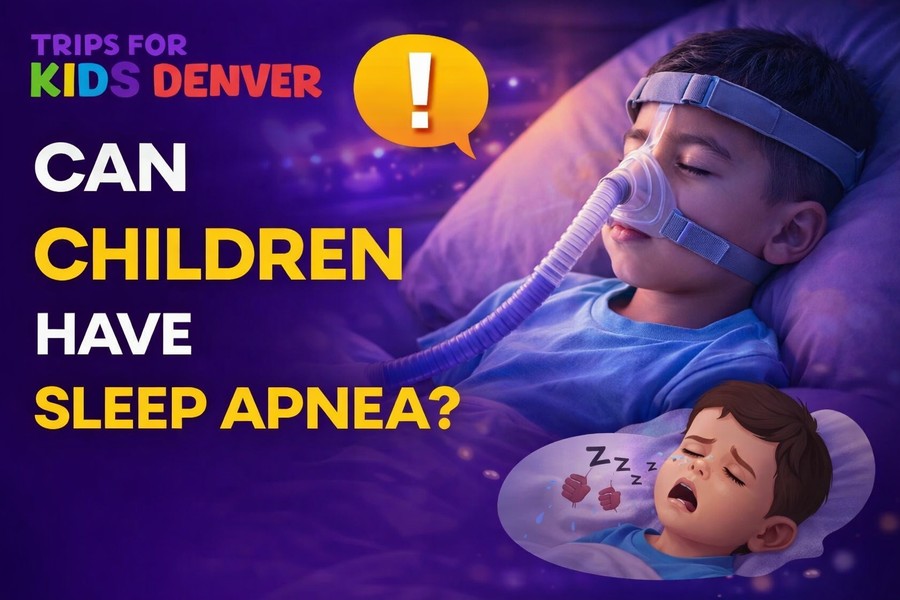
Sleep apnea is a serious condition that can affect both adults and children. It occurs when breathing is repeatedly interrupted during sleep, often leading to poor sleep quality and a range of potential health issues. In children, sleep apnea can lead to developmental delays, behavioral problems, and even heart complications.
In this article, we’ll dive into what sleep apnea is, how it affects children, its symptoms, causes, diagnosis, and treatment options. If you’re wondering, “Can children have sleep apnea?” the answer is yes, and understanding it is the first step in managing it effectively. Read to learn more!
Sleep apnea in children is often caused by the same factors as in adults, such as obesity and nasal congestion. However, the most common cause in kids is enlarged tonsils and adenoids. When these structures block the airway, they can disrupt normal breathing patterns while sleeping. Children with sleep apnea often struggle with loud snoring, pauses in breathing, and gasping for air during sleep. These episodes can be accompanied by restlessness and difficulty waking up in the morning.
The impacts of sleep apnea are severe, as it can affect a child’s overall development. Chronic sleep deprivation can impair learning, memory, and even behavior. In fact, untreated sleep apnea is sometimes misdiagnosed as ADHD due to overlapping symptoms such as hyperactivity and irritability.
You can read more about how enlarged tonsils and adenoids contribute to sleep apnea in children by exploring ways to empower youths through adventure.
Children with sleep apnea often display specific symptoms that caregivers and healthcare providers should look out for. These include:
Parents should be vigilant for these signs, especially if the child is also showing signs of poor academic performance or behavioral issues. Because sleep apnea can interfere with a child’s physical and cognitive development, it’s crucial to address the condition early on.
If you notice these symptoms, it’s essential to talk to a pediatrician. A professional diagnosis is vital to understand if sleep apnea is the underlying issue.
Causes of Sleep Apnea in Children
The causes of sleep apnea in children are multifactorial and can vary from individual to individual. Here are some of the most common causes:
This is the most common cause of obstructive sleep apnea (OSA) in children. Tonsils and adenoids are lymphatic tissues in the throat; when enlarged, they can block the airway. This is particularly prevalent in younger children and often requires surgical intervention, such as a tonsillectomy or adenoidectomy, to treat the condition.
Overweight children are at an increased risk of sleep apnea. Excess fat around the neck can compress the airway, increasing the risk of obstruction during sleep.
Some children are born with structural abnormalities, such as a small jaw or narrow airways, which can predispose them to sleep apnea. Certain conditions, like Down syndrome, can also increase the risk of sleep apnea due to muscle tone issues and abnormal airway structures.
Diagnosing sleep apnea in children involves a thorough evaluation by a pediatrician or sleep specialist. The process typically includes the following:
The doctor will check for signs such as enlarged tonsils and adenoids, which are common in children with sleep apnea. They may also assess the child’s overall health and growth to determine whether underlying factors contribute to the condition.
A sleep study (also known as polysomnography) is the gold standard for diagnosing sleep apnea. It is usually done in a sleep center, where the child is monitored overnight to measure brain activity, oxygen levels, heart rate, and breathing patterns. In some cases, a home sleep apnea test may be recommended for convenience.
The doctor will also review the child’s medical history to check for conditions like obesity, asthma, or allergies, which can contribute to sleep apnea.
Sleep studies and other diagnostic tests are essential for creating an effective treatment plan. If you suspect your child has sleep apnea, seek professional help.
Treatment Options for Sleep Apnea in Children
There are several treatment options available for children with sleep apnea. The appropriate treatment will depend on the underlying cause, the severity of the condition, and the child’s overall health.
If enlarged tonsils and adenoids are the cause of the sleep apnea, surgery may be necessary to remove these tissues. This procedure, known as a tonsillectomy and adenoidectomy, is highly effective in treating sleep apnea in children.
For children who have sleep apnea due to other factors, such as obesity or structural issues, a CPAP machine may be recommended. This device delivers a steady stream of air through a mask to keep the airway open during sleep.
Encouraging healthy eating habits and regular physical activity can help manage sleep apnea in children, especially if obesity is a contributing factor. Additionally, making sure the child sleeps on their side or elevating their head may reduce the severity of sleep apnea symptoms.
In some cases, medications like nasal steroids may be prescribed to reduce inflammation in the nasal passages and improve breathing during sleep.
While sleep apnea can be difficult to prevent entirely, there are steps parents can take to reduce the risk. Encouraging healthy habits, such as maintaining a healthy weight, eating a balanced diet, and avoiding secondhand smoke, can significantly lower the chances of a child developing sleep apnea.
Furthermore, making sure that children get adequate sleep on a consistent schedule will ensure they receive the rest they need for optimal physical and cognitive development. Regular check-ups with a pediatrician can also help identify early signs of sleep apnea, allowing for timely intervention.
If you notice any of the symptoms of sleep apnea in your child, such as loud snoring, choking, or daytime sleepiness, it is important to seek medical help. Sleep apnea can have significant long-term effects on a child’s health, including developmental delays, learning problems, and behavioral issues. Early diagnosis and treatment can prevent these complications and improve your child’s quality of life.
By monitoring your child’s sleep and seeking help when needed, you can ensure they get the restful sleep they need for proper growth and development. If you suspect sleep apnea, consider consulting a pediatric sleep specialist for further evaluation and treatment.
In conclusion, sleep apnea is a serious condition that can affect children and cause a range of health problems if left untreated. Recognizing the signs and seeking timely medical intervention can help mitigate the risks associated with sleep apnea. With proper diagnosis and treatment, most children with sleep apnea can lead healthy, normal lives. If you’re concerned about your child’s sleep patterns, consult a healthcare provider who can guide you through the process of diagnosis and treatment.