- Email: info@tripsforkidsdenver.org
- Phone: +1 (303) 555 0199
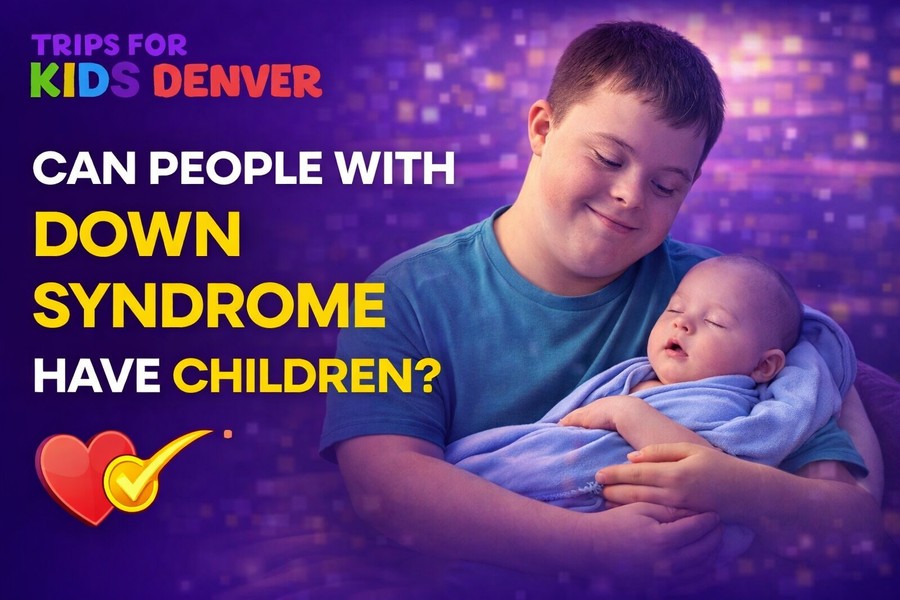
When it comes to Down syndrome and fertility, a common misconception is that individuals with this condition cannot have children. In reality, people with Down syndrome can become parents, although there are certain challenges and considerations that come with it.
In this article, we will explore the genetics of Down syndrome, the potential for individuals with the condition to have children, and the risks involved.
Down syndrome is a genetic condition caused by an extra copy of chromosome 21. This results in a range of physical and intellectual characteristics. But what does this mean for fertility?
While women with Down syndrome can conceive, their fertility is typically reduced. The extra chromosome affects the body’s ability to produce eggs in a typical manner. Men with Down syndrome also face infertility challenges, as they often have impaired spermatogenesis, the process of producing sperm.
However, it is not impossible for people with Down syndrome to have children. Studies have shown that while the chances of conceiving are lower than in the general population, it’s still possible for individuals with Down syndrome to become parents. If you are curious about how young individuals develop language skills, you can read about it in this article about how many words should a 20-month-old say.
Although the chances are lower, some women with Down syndrome do become mothers. The fertility of women with Down syndrome is often impacted by hormonal imbalances and irregular menstrual cycles. However, it is important to note that the ability to conceive remains possible, but the risks are higher than in the general population.
Women with Down syndrome face increased risks during pregnancy, including a higher likelihood of developing gestational diabetes, preeclampsia, and other complications. Additionally, they are more likely to have children with Down syndrome due to the genetic nature of the condition. The extra chromosome 21 can be passed on to the offspring. The risk of passing on Down syndrome is significant, with approximately 35-50% of children born to women with the condition also being born with Down syndrome. To learn about how to support young children with special needs, learn why kids should not have homework.
The ability of men with Down syndrome to father children has been a subject of debate. While many men with the condition are believed to be infertile due to defects in sperm production, it is possible for some men with Down syndrome to father a child. In rare cases, men with Down syndrome have fathered children through assisted reproductive technologies or natural conception.
It is important to consider the potential impact of infertility and sexual dysfunction when discussing fertility in men with Down syndrome. Some studies suggest that these men may also face challenges in understanding and practicing contraception, which can lead to unintended pregnancies. This is why it’s critical to have conversations with individuals with Down syndrome about family planning and reproductive health. If you want to understand the developmental stages of children, understand when kids get kneecaps.
For individuals with Down syndrome who are considering parenthood, genetic counseling is highly recommended. Genetic counselors can help families understand the potential genetic risks, including the likelihood of passing on Down syndrome to their children. A counselor will also discuss other conditions that could arise during pregnancy and how best to manage them.
Genetic testing can provide valuable information regarding the health of the pregnancy and assist in making informed decisions. For families who wish to avoid passing on Down syndrome, prenatal testing can be used to assess the genetic health of the fetus. This is an essential step in understanding the risks and making choices that are right for the family.
The journey to parenthood for individuals with Down syndrome may present unique challenges. Cognitive and developmental disabilities often mean that individuals with Down syndrome will require additional support in raising their children. Parenting may require assistance with everyday tasks, as well as additional support from healthcare professionals, social workers, and family members.
While these challenges are significant, many individuals with Down syndrome can and do become loving, responsible parents with the right resources and support in place. Additionally, some individuals with Down syndrome may have the ability to form meaningful relationships and participate in parenting, though they might need help in practical aspects of child-rearing. When looking for resources on child development, learn what age do kids lose teeth.
As mentioned earlier, one of the main risks of having a child when one parent has Down syndrome is the possibility of the child also being born with Down syndrome. The chances of this happening vary depending on the parent’s condition and genetic makeup. However, with the right guidance from medical professionals and genetic counselors, families can make informed decisions about parenthood and the health of their children.
The decision to have a child is deeply personal, and for individuals with Down syndrome, it requires careful consideration of the risks involved. Understanding these risks and weighing them against the desire for parenthood is essential for anyone considering having a family.
For those with Down syndrome who may face fertility challenges or who are not able to safely carry a pregnancy, adoption is an alternative way to build a family. Many individuals with Down syndrome have successfully adopted children, creating loving, supportive homes for them. Adoption agencies can provide resources and guidance on the process, as well as help navigate the potential legal and financial challenges.
Adoption offers an opportunity to experience parenthood and provide a child with a stable and loving environment. This route is an excellent option for people with Down syndrome who want to be parents but face fertility or pregnancy-related complications.
Individuals with Down syndrome who are planning to become parents must also consider the legal and social implications of their decision. For example, some countries or regions may have laws in place that impact the ability of individuals with disabilities to adopt or become parents.
Additionally, there may be societal stigma surrounding people with disabilities raising children, which can create additional challenges. However, societal views are shifting, and more people are recognizing the capabilities of individuals with Down syndrome to be loving and capable parents. This is a key aspect of building supportive communities and helping individuals with Down syndrome thrive in their roles as parents.
People with Down syndrome can have children, although it comes with certain challenges and risks. Women with Down syndrome can conceive, but their fertility may be lower, and there is a higher risk of pregnancy complications. Men with Down syndrome may face infertility issues, but some can still father children. Genetic counseling is essential for those with Down syndrome considering parenthood, as it can help manage the risks involved.
Parenthood is possible for individuals with Down syndrome, and with the right support and care, many individuals can become successful and loving parents. It is essential to have open discussions about the challenges and risks, as well as the support needed, to help individuals with Down syndrome make informed decisions about family planning.