- Email: info@tripsforkidsdenver.org
- Phone: +1 (303) 555 0199
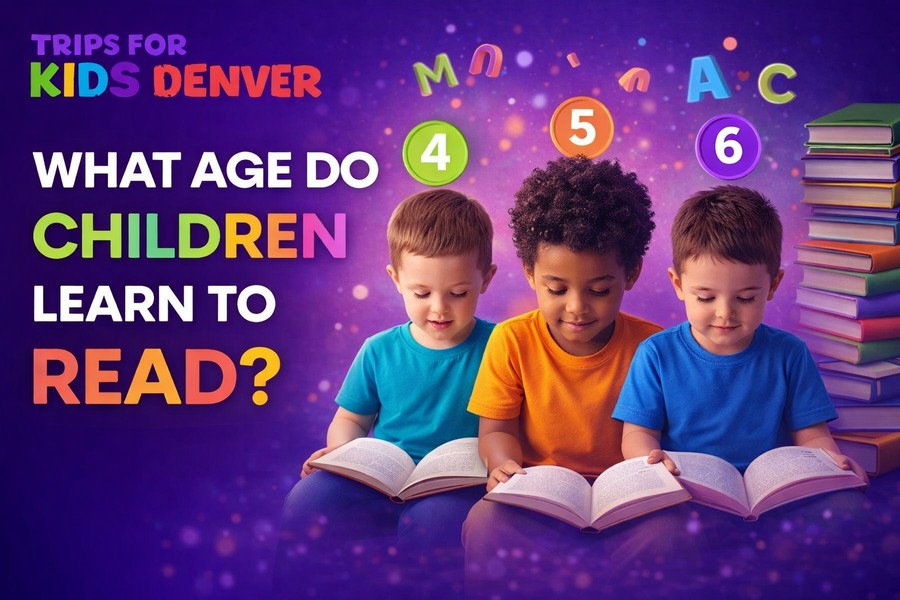
Reading is one of the most important skills a child develops, and it’s often a milestone that parents eagerly await. But when do children actually start learning to read? The process varies greatly depending on the child’s environment, exposure to books, and individual development.
While some children start reading as early as three years old, others may not begin until they are closer to seven or eight. Understanding when and how kids learn to read is crucial for parents and caregivers to provide the right support.
Every child’s learning journey is unique, and the age at which they begin reading can depend on various factors. Most children start learning to read during their preschool years, between the ages of four and six. However, some signs indicate that a child may be ready to read earlier than others. Early exposure to books, storytelling, and interactive learning can help set the stage for reading.
At the age of 4, many children begin recognizing some letters and even their names. If your child has shown interest in books and can name a few letters, they might be ready to start phonics training. If you want to know what to expect when your child starts reading, it’s helpful to follow milestones like what age do kids read, which provides more detailed information on the reading journey for children.
When children start to recognize letters and sounds, they begin learning the basic principles of reading. This typically occurs around age 4 to 5. During this stage, kids often engage in activities that involve identifying sounds, rhyming words, and building simple words. The ability to recognize letters, understand their sounds, and blend them together is a critical part of the reading process.
Reading readiness can also depend on the child’s exposure to language. Children who are regularly read to or who engage with books early may develop reading skills faster. If you’re wondering how to help your child at this stage, you can check out helpful tips on how to engage and empower youths through adventure.
By the time a child is six or seven, they usually start becoming more confident in their ability to read. At this point, children are often able to read simple books on their own, though they may still struggle with more complex words and sentence structures. Parents can encourage independent reading by providing books that are appropriate for their child’s level and encouraging them to read aloud.
Children this age are also learning how to use context to figure out unfamiliar words. If you’re looking for advice on how to make reading fun and educational for your child, the article when do kids start learning to read is a great resource. It emphasizes the importance of reading aloud and providing a supportive environment for early learners.
Phonics is a key skill in early literacy that helps children learn how to connect sounds with letters. Phonics instruction often begins around age 5 or 6. Children who grasp phonics early tend to become more proficient readers later on. It’s crucial for parents and teachers to support children in developing phonemic awareness, which is the ability to hear and manipulate sounds in words.
For instance, when children are taught to associate the letter “s” with the sound /s/, they can begin decoding simple words like “sat” and “sun.” Teachers and parents can encourage phonics skills by using flashcards, games, and songs that reinforce letter-sound relationships.
Although there are general milestones, many factors influence when a child will begin reading. These include individual developmental pace, family environment, and educational exposure. Some children may start reading earlier due to their exposure to print, while others may take longer due to different learning speeds or challenges.
It’s also important to note that some children may face learning difficulties, such as dyslexia, that can delay their reading skills. Parents should work closely with teachers to determine the best approach if they notice any signs of reading struggles.
Building a love for reading early is one of the best ways to support your child’s journey to becoming a proficient reader. Children who enjoy reading are more likely to stick with it and improve over time. The key is to create a reading-friendly environment where books are accessible, and reading is seen as a fun and rewarding activity.
This can include reading together daily, allowing children to choose their own books, and engaging in activities like storytelling or visiting the library. Research shows that reading aloud to children, even after they learn to read on their own, is crucial for enhancing vocabulary and comprehension.
Parents and teachers play a critical role in fostering reading development. Teachers introduce children to literacy concepts through structured lessons, while parents can reinforce these concepts at home. Reading with children, providing them with books that match their reading level, and encouraging daily reading habits are important ways parents can support their child’s growth.
If you’re looking for advice on how to enhance your child’s reading ability, learn how to overcome feeding aversion in babies offers helpful tips and insights.
While there is a general timeline for when most children learn to read, it’s essential to recognize when a child might need extra help. If your child is consistently behind their peers in terms of reading milestones, or if they seem frustrated and uninterested in reading, it might be time to seek additional support. Early intervention is key in addressing any learning difficulties.
Teachers and specialists can provide assessments to identify any underlying issues and develop strategies for improvement. Support at home through additional practice and resources can also be beneficial.
Learning to read is an exciting journey, and every child’s path is unique. While most children start reading between ages 4 and 7, the timeline can vary depending on several factors. Encouraging reading habits from an early age, fostering phonemic awareness, and creating a supportive reading environment can significantly impact when and how your child learns to read. Always remember that children develop at their own pace, and the goal is to foster a love of reading that will last a lifetime.