- Email: info@tripsforkidsdenver.org
- Phone: +1 (303) 555 0199
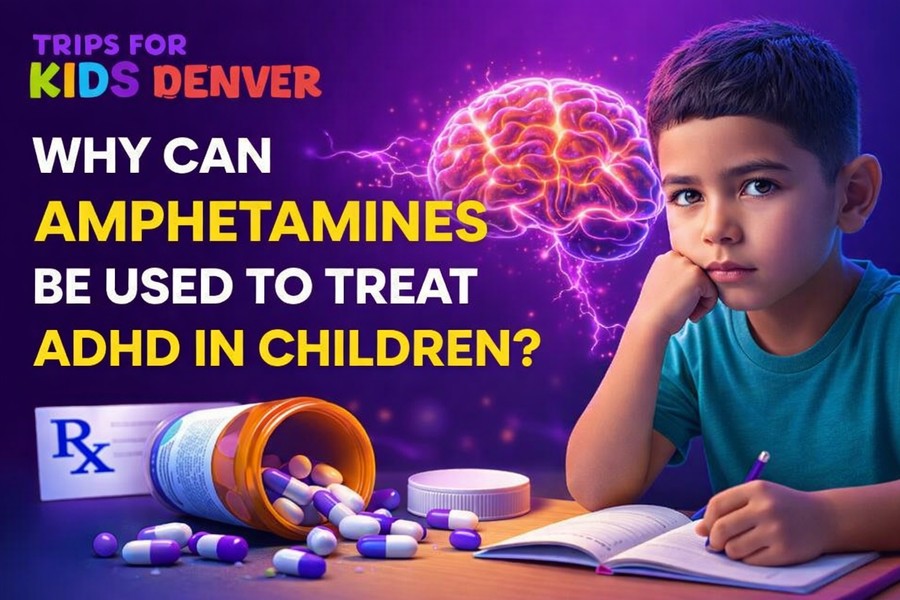
Attention Deficit Hyperactivity Disorder (ADHD) is a common neurodevelopmental disorder, primarily affecting children. It is characterized by persistent symptoms of inattention, hyperactivity, and impulsivity.
Treatment for ADHD typically involves behavioral therapies, lifestyle changes, and, in some cases, medication. Amphetamines, a class of stimulant medications, are often prescribed to help manage ADHD symptoms, and understanding why they are effective is essential for both parents and healthcare providers.
Amphetamines work by stimulating the central nervous system, which increases the levels of certain neurotransmitters, particularly dopamine and norepinephrine, in the brain. These chemicals are crucial for attention, motivation, and self-regulation, all of which are areas of difficulty for children with ADHD. By boosting these neurotransmitters, amphetamines help improve focus, decrease impulsivity, and reduce hyperactivity in children. This effect is particularly helpful in environments that require sustained attention, such as school or homework.
In fact, the use of stimulants like amphetamines is a well-researched and proven treatment for ADHD. Studies have consistently shown that these medications can lead to significant improvements in behavior and academic performance. For example, children on stimulant medications are often better able to sit still, listen, and follow instructions, which can make daily life more manageable and rewarding for both the child and their family.
While medications like amphetamines can be beneficial, it’s also important to incorporate other methods of managing ADHD, such as therapeutic activities and outdoor experiences. Programs that empower youths through adventure offer children with ADHD an opportunity to develop self-control and confidence in dynamic and engaging settings. Combining such experiences with medication provides a well-rounded approach to managing ADHD, helping children not only focus better but also enjoy a fulfilling and active lifestyle.
The benefits of amphetamines as a treatment for ADHD in children go beyond just symptom relief. These medications help children feel more in control of their actions and improve their social interactions. As children become better able to focus and control impulsive behaviors, they often experience less frustration and anxiety. This can significantly enhance their self-esteem, academic performance, and relationships with family and peers.
Furthermore, amphetamines have a relatively fast onset of action, meaning that children can experience improvements in attention and behavior shortly after taking the medication. This makes them a useful tool for children who need immediate help in managing their symptoms during school or extracurricular activities.
Despite their benefits, amphetamines are not without risks. Like any medication, they can have side effects, especially in children. Common side effects include reduced appetite, trouble sleeping, and stomachaches. In some cases, children may also experience mood swings, anxiety, or tics. However, these side effects are often temporary and can be managed by adjusting the dose or trying a different medication.
It’s crucial for healthcare providers to monitor children closely when they are on amphetamines. Regular check-ups can help ensure that the medication is effective and that any side effects are addressed promptly. In some cases, doctors may prescribe non-stimulant medications if amphetamines do not work well or cause too many side effects.
When managing ADHD in children, it is important to create a supportive environment that minimizes unnecessary stress. Research suggests that why kids should not have homework can be a helpful consideration for ADHD students. Excessive homework can overwhelm children with ADHD, exacerbating their symptoms and making it harder for them to focus. Instead, creating balanced routines with engaging activities can foster an environment where children with ADHD thrive.
Parents play a critical role in supporting their children with ADHD, particularly when medication is part of the treatment plan. It’s essential for parents to collaborate with healthcare providers to monitor the child’s progress, make necessary adjustments to the medication, and address any side effects. Positive reinforcement and structure at home are also vital to helping children manage their behavior and succeed both academically and socially.
In addition, parents can encourage their children to participate in activities that promote self-regulation and executive functioning skills, such as organized sports, art classes, or group activities. These experiences complement the effects of amphetamines and contribute to a more holistic approach to managing ADHD.
Managing ADHD requires addressing various aspects of a child’s well-being, including nutrition. Children with ADHD may be more sensitive to food aversions or nutritional imbalances. How to overcome feeding aversion in babies offers parents useful tips on ensuring their children receive the proper nutrients, which is important for cognitive function and overall health. Adequate nutrition can support the effectiveness of ADHD medications like amphetamines, ensuring that children’s bodies and minds are well-prepared to handle daily challenges.
While amphetamines can help control the symptoms of ADHD, behavioral therapy remains an important component of treatment. Behavioral therapy teaches children how to cope with their emotions, develop organizational skills, and make better choices in their actions. When combined with medication, therapy can offer children a comprehensive approach to managing their symptoms.
Parents and caregivers should work closely with therapists to ensure that the therapy is tailored to the child’s specific needs and that progress is regularly evaluated. Behavioral therapy can help children develop the skills they need to succeed in school and life, beyond just the immediate effects of medication.
In conclusion, amphetamines are a valuable tool in treating ADHD in children, but they should be used as part of a broader, holistic treatment plan. Medication, combined with behavioral therapy, structured routines, and supportive environments, can help children with ADHD achieve their full potential. Parents and healthcare providers should work together to find the right balance of treatments, ensuring that children receive the care they need to thrive.
While amphetamines can offer significant benefits in managing ADHD symptoms, it’s important to remember that each child is unique. What works for one child may not work for another, and a personalized approach to treatment is always best.